
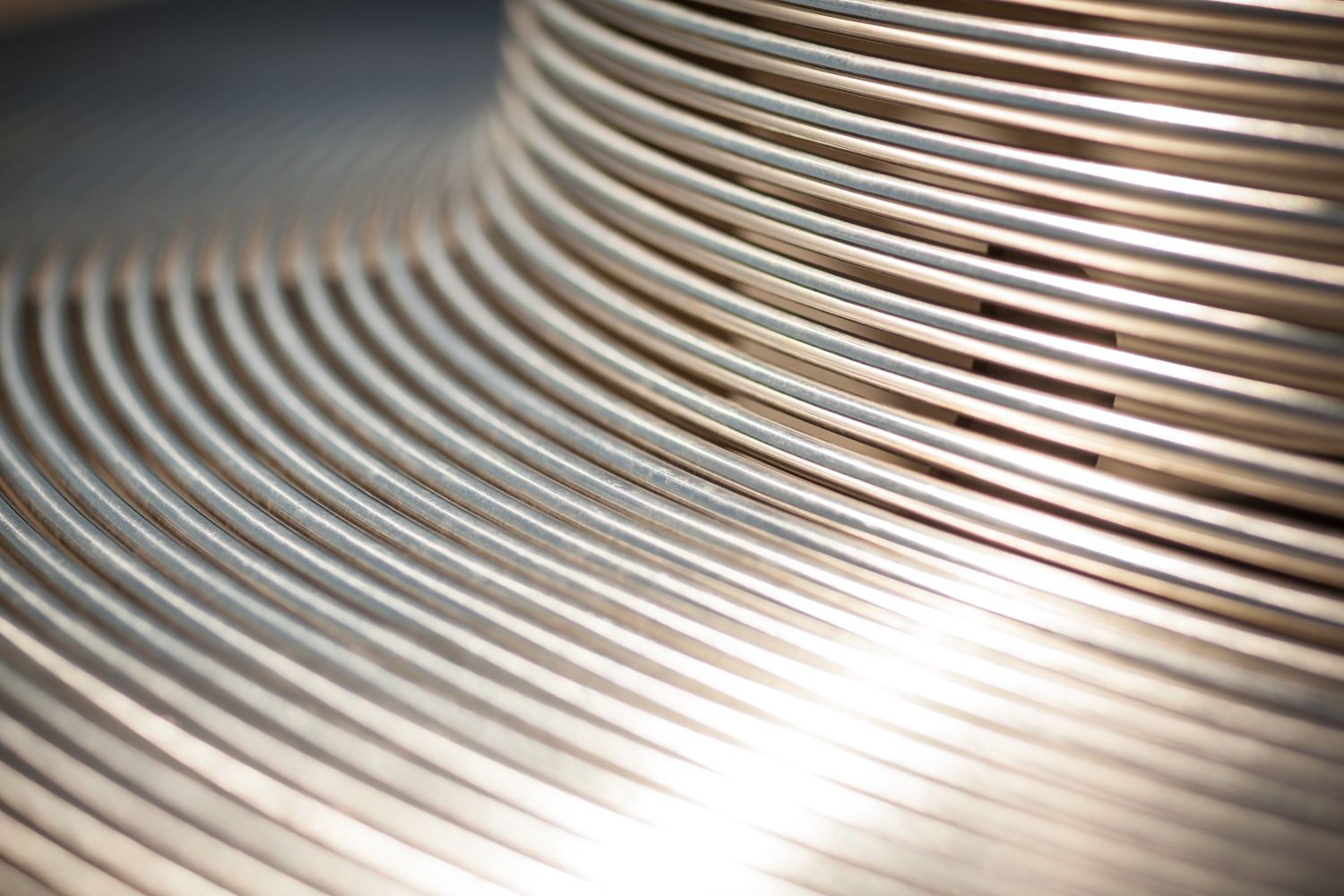
Aluminum is a versatile and widely used material in various industries, including aerospace, automotive, construction, and manufacturing. Its lightweight nature, excellent corrosion resistance, and good thermal and electrical conductivity make it a popular choice for many applications. However, welding aluminum requires a deep understanding of its properties and the specific requirements of the welding process. In this article, we will explore the essential wire properties for successful aluminum welding and provide tips to help you achieve high-quality welds.
Understanding Aluminum Welding
Why Weld Aluminum?
Welding aluminum allows for the creation of strong, lightweight structures and components that are essential in modern engineering and construction. It is used in applications ranging from aircraft frames to automotive parts and everything in between.
Common Aluminum Alloys
Aluminum welding typically involves various alloys, each with different properties and characteristics. The most common aluminum alloys used in welding include:
- 1000 Series: Pure aluminum, known for excellent corrosion resistance and high thermal and electrical conductivity but low strength.
- 2000 Series: Copper alloyed aluminum, offering high strength but lower corrosion resistance.
- 3000 Series: Manganese alloyed aluminum, known for good workability and moderate strength.
- 5000 Series: Magnesium alloyed aluminum, providing excellent corrosion resistance and moderate to high strength.
- 6000 Series: Magnesium and silicon alloyed aluminum, offering good corrosion resistance and weldability.
Understanding the specific alloy you are working with is crucial for selecting the appropriate welding wire and technique.
Essential Wire Properties for Aluminum Welding
1. Composition
Selecting the Right Filler Wire
When welding aluminum, choosing the correct filler wire is essential for achieving a strong and durable weld. The filler wire should be compatible with the base material and alloy being welded. Common filler wires include:
- ER4047: Often used for welding 6000 series aluminum alloys, providing good fluidity and a smooth finish.
- ER5356: Suitable for welding 5000 series aluminum alloys, known for its high strength and good corrosion resistance.
- ER4047: Used for welding and brazing, it offers excellent appearance and is ideal for applications where aesthetics are important.
2. Diameter
Choosing the Right Wire Diameter
The diameter of the filler wire can impact the quality and strength of the weld. Thicker wires are better suited for high-heat applications and thicker materials, while thinner wires are ideal for precision welding and thinner materials.
- Common Diameters: Filler wires typically come in diameters ranging from 0.030 inches to 0.045 inches (0.8 mm to 1.2 mm). Choosing the right diameter based on the thickness of the material being welded is essential for optimal results.
3. Strength and Ductility
Balancing Strength and Flexibility
The strength and ductility of the filler wire are critical properties that influence the weld’s performance.
- Tensile Strength: The filler wire should have sufficient tensile strength to withstand the stresses and strains of the application. This is especially important in structural applications where safety is a concern.
- Ductility: A good filler wire should have adequate ductility, allowing it to deform without breaking. This property is vital for absorbing impact and stress in welded joints.
4. Cleanliness and Surface Preparation
Importance of Cleanliness
Aluminum is prone to oxidation, which can create a barrier on the surface that affects weld quality. Therefore, it’s crucial to ensure that both the base material and filler wire are clean before welding.
- Cleaning Methods: Use solvents, wire brushes, or chemical cleaners to remove any contaminants, including oil, grease, and oxidation from the surfaces to be welded.
- Proper Storage: Store filler wires in a clean, dry environment to prevent contamination before use.
5. Welding Technique and Equipment
Selecting the Right Welding Process
The choice of welding technique is essential for achieving high-quality aluminum welds. Common methods include:
- TIG Welding (GTAW): Tungsten Inert Gas (TIG) welding is highly regarded for aluminum due to its precision and control. It allows for clean, high-quality welds, making it ideal for thin materials and intricate designs.
- MIG Welding (GMAW): Metal Inert Gas (MIG) welding is often faster and easier for thicker materials. It is suitable for high-volume production and can produce strong welds when using the right filler wire and settings.
Equipment Considerations
Ensure that your welding equipment is suitable for aluminum welding:
- Welding Machine: Use a machine that provides sufficient power and control for the chosen welding method.
- Gas Selection: For TIG welding, use pure argon as the shielding gas to protect the weld area from contamination.
Conclusion
Successfully welding aluminum requires a thorough understanding of the material properties, the right selection of filler wire, and the appropriate techniques. By focusing on the essential wire properties—composition, diameter, strength, and ductility—alongside proper surface preparation and equipment, you can achieve high-quality welds that enhance the durability and functionality of your projects. The art of aluminum welding can be mastered with practice and knowledge, unlocking the potential for creating strong, lightweight structures that meet the demands of modern engineering. Embrace the science of aluminum welding, and elevate your skills to produce exceptional results in your work.
Tags: Aluminum wire