
In the realm of manufacturing and fabrication, the choice of cutting technology can significantly impact the quality, efficiency, and cost-effectiveness of production processes. Among various cutting methods, laser cutting has emerged as a revolutionary technique that offers unparalleled precision and versatility. This article delves into the reasons why laser cutting outshines traditional cutting methods, exploring its advantages, applications, and the technology behind it.
Understanding Laser Cutting
What is Laser Cutting?
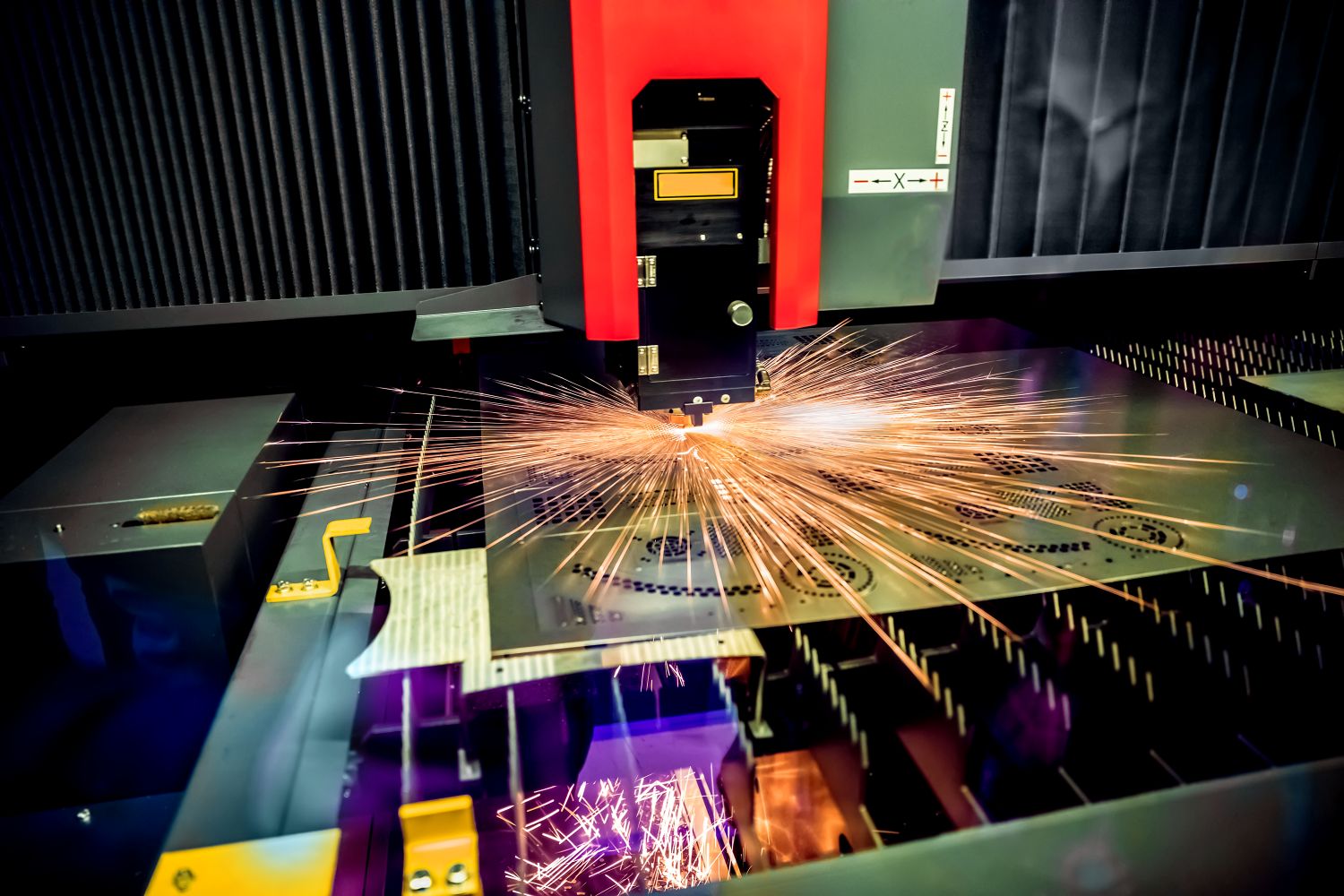
Laser cutting is a technology that uses focused laser beams to cut or engrave materials with high precision. The laser beam melts, burns, or vaporizes the material, creating clean, intricate cuts without the need for physical contact with the cutting tool. This non-contact process minimizes wear and tear on equipment and allows for complex designs that would be challenging or impossible with traditional cutting methods.
Types of Materials
Laser cutting can be used on a wide range of materials, including:
- Metals: Steel, aluminum, brass, and copper.
- Plastics: Acrylic, polycarbonate, and PVC.
- Wood: Plywood, MDF, and solid wood.
- Textiles: Fabrics and leather.
Advantages of Laser Cutting
1. Exceptional Precision
One of the most significant benefits of laser cutting is its high level of precision. Laser cutting systems can achieve tolerances as tight as ±0.001 inches, making them ideal for intricate designs and detailed patterns. This precision reduces the need for secondary operations, saving time and costs.
2. Clean Edges and Minimal Waste
Laser cutting produces clean edges with minimal kerf (the width of the cut), which translates to less material waste. The reduced heat-affected zone (HAZ) means that the surrounding material experiences less thermal distortion, resulting in high-quality finishes that often require little to no post-processing.
3. Versatility and Flexibility
Laser cutting is highly versatile, capable of handling a wide variety of materials and thicknesses. This flexibility allows manufacturers to easily switch between different materials and designs without the need for significant adjustments to the equipment.
- Complex Shapes: Laser cutting can create complex shapes and intricate designs that traditional cutting methods may struggle to achieve.
- Rapid Prototyping: The ability to quickly change designs and cut new prototypes makes laser cutting an ideal choice for industries that require fast iterations.
4. Automation and Efficiency
Modern laser cutting machines are often equipped with advanced automation features, such as computer numerical control (CNC) systems. This automation enhances efficiency by enabling continuous operation, reducing labor costs, and minimizing human error.
- Integration with CAD Software: Laser cutting systems can easily integrate with computer-aided design (CAD) software, allowing for seamless transitions from design to production. This capability accelerates the manufacturing process.
5. Safety and Environmental Benefits
Laser cutting is considered a safer method compared to traditional cutting techniques, as it minimizes the risk of physical accidents associated with moving blades or tools. Additionally, the precision of laser cutting reduces material waste, contributing to more sustainable manufacturing practices.
- Reduced Noise and Emissions: Laser cutting typically generates less noise and fewer harmful emissions compared to mechanical cutting methods, making it a more environmentally friendly choice.
Applications of Laser Cutting
Laser cutting is widely used across various industries due to its versatility and precision. Some common applications include:
- Manufacturing: Cutting and shaping metal components for machinery, automotive parts, and electronics.
- Aerospace: Creating lightweight and precise parts for aircraft and spacecraft.
- Architecture: Producing intricate designs for facades, signage, and decorative elements.
- Textiles: Cutting patterns for garments, upholstery, and accessories.
- Art and Design: Engraving and cutting materials for artistic projects, awards, and custom pieces.
Conclusion
Laser cutting has redefined precision in the manufacturing and fabrication industries, offering numerous advantages over traditional cutting methods. Its exceptional accuracy, clean edges, versatility, and efficiency make it an invaluable tool for businesses seeking to enhance their production capabilities. By investing in laser cutting technology, manufacturers can unlock new possibilities for innovation and creativity while reducing waste and maintaining high-quality standards. As the demand for precision and efficiency continues to grow, laser cutting is poised to remain at the forefront of modern manufacturing solutions. Embrace the power of laser cutting and elevate your production processes to achieve unparalleled results.
Tags: Laser cutting